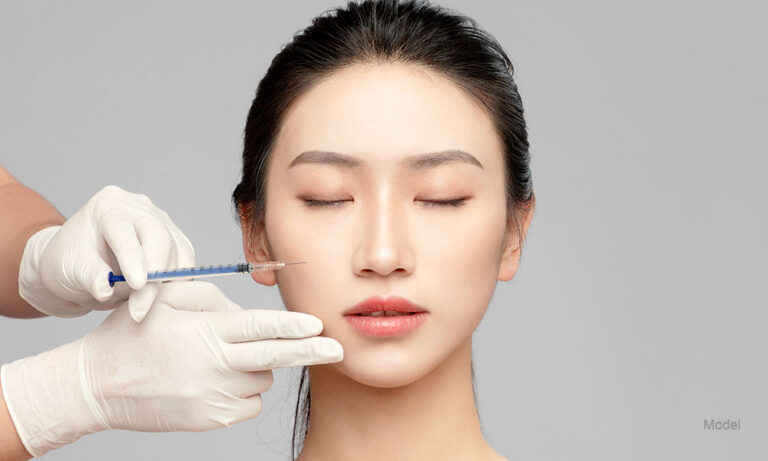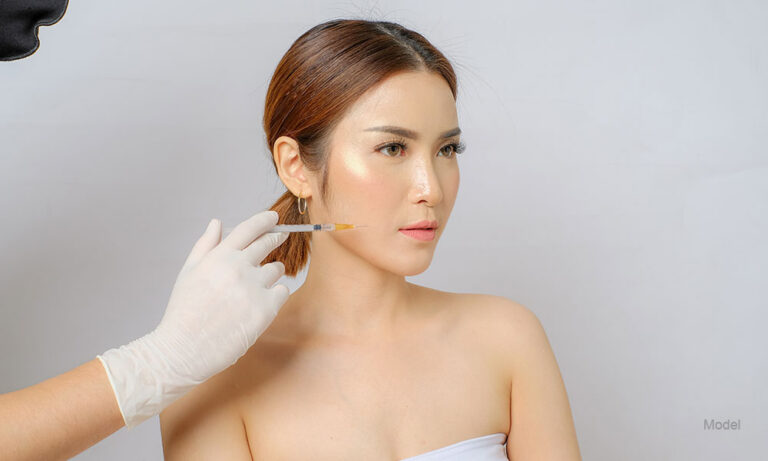
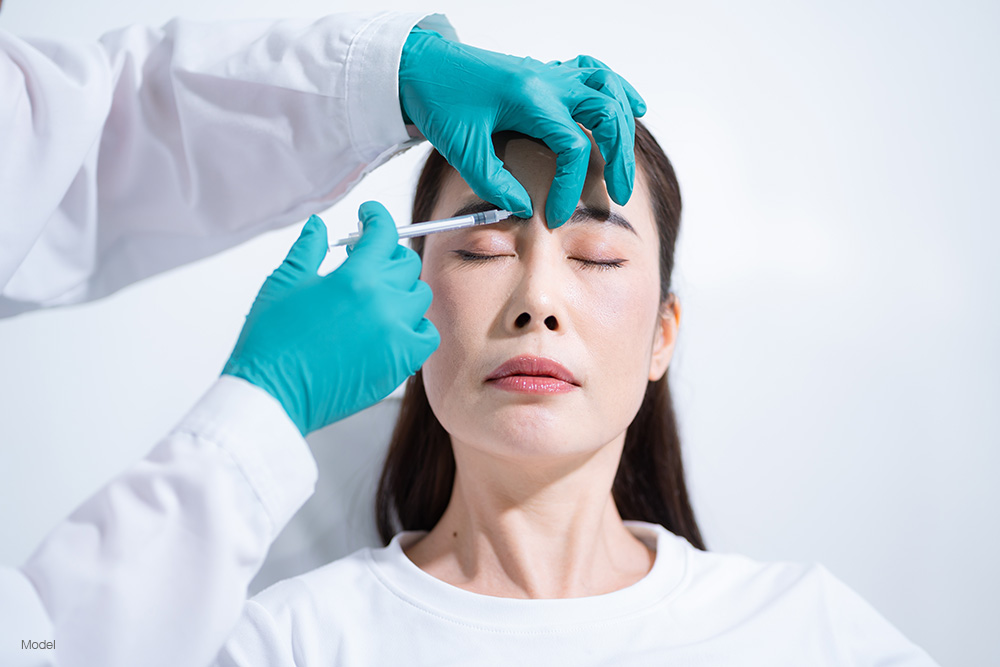
If you are considering Asian BOTOX® Cosmetic injections in Beverly Hills, you may already know what you want: a smoother, refreshed look that addresses unwanted lines and deep wrinkles, yet still feels natural to your face. The real question is where BOTOX® can help and how many injections you may need to reach your goals.
At Enhance® Medical Center, BOTOX® and XEOMIN® are used to temporarily reduce activity in targeted facial muscles that contribute to wrinkles, facial tension, and certain contouring concerns. Dr. Charles S. Lee focuses on careful facial analysis, precise treatment planning, and results that respect each patient’s anatomy and identity.
9 Min Read:
Table of Contents
- What Asian BOTOX® Cosmetic Injections Can Treat
- Forehead Lines
- Frown Lines Between the Eyebrows
- Crow’s Feet Around the Eyes
- Asian BOTOX® for Jawline Contouring
- Brow Lift and Upper Face Balance
- Nose, Lip, Chin, and Smile Concerns
- Physical Conditions
- How Many Injections Will I Need to Get My Desired Results?
- How Long Can I Expect BOTOX® Injections to Last?
- Why Asian Patients Should Choose a Provider Who Understands Asian Anatomy
- FAQ About BOTOX® Cosmetic Injections for Asian Patients
What Asian BOTOX® Cosmetic Injections Can Treat
BOTOX® Cosmetic is a minimally invasive treatment that works by temporarily blocking nerve signals to selected muscles. When those muscles relax, the overlying skin can look smoother and less creased. BOTOX® Cosmetic is FDA-approved for temporarily improving the look of moderate to severe frown lines, dynamic wrinkles, crow’s feet, forehead lines, and vertical bands connecting the jaw and neck in adults.
For Asian patients, the goal is not to change their natural facial identity. The goal is to soften visible signs of expression, refine areas of muscle overactivity, and create a balanced look that fits your features, as even small changes in the brow, eyelids, cheek area, jawline, or smile can affect overall harmony.
Common facial areas treated with BOTOX® or XEOMIN® may include:
- Forehead lines
- Frown lines between the eyebrows
- Crow’s feet
- Brow position
- Bunny lines near the nose
- Jawline or masseter muscles
- Chin dimpling
- Smile-related concerns
- Neck bands in select cases
Your treatment plan should be based on a personal consultation, not a one-size-fits-all injection map.
Forehead Lines
Forehead lines often appear when you raise your eyebrows. These horizontal lines can make you look stressed, tired, or older than you feel.
BOTOX® injections can reduce excess forehead muscle movement so the skin looks smoother when your face rests and when you make expressions. The key is balance. Too much relaxation in this area can make the brows feel heavy, especially in patients who naturally rely on the forehead muscles to lift the brow.
For Asian patients, brow height, eyelid shape, facial skin, and upper facial anatomy can affect how the forehead responds to BOTOX®. A careful injector considers how the forehead, brows, and eyelids work together before placing any product.
Frown Lines Between the Eyebrows
Frown lines, also called glabellar lines, form between the eyebrows when you concentrate, squint, or frown. These lines may create a stern or tense appearance even when you feel relaxed.
BOTOX® can calm the muscles that pull the brows inward. This can help soften vertical “11” lines and reduce the appearance of tension in the upper face.
This area requires precise placement because it sits close to important muscles that influence brow position. During your consultation, your provider should evaluate your natural expression pattern, muscle strength, and brow movement before recommending the number of units or injection points.
Crow’s Feet Around the Eyes
Crow’s feet form at the outer corners of the eyes when you smile or squint. Many patients want to soften these fine lines and wrinkles without losing the warmth of their smile.
BOTOX® can relax the outer eye muscles enough to reduce facial wrinkles while preserving natural expression. The goal is not to freeze your face, but rather to help you look rested while still looking like yourself.
For Asian patients, the eye area deserves extra attention. Eyelid shape, cheek fullness, skin thickness, and natural smile patterns can all influence how crow’s feet respond to treatment.
Asian BOTOX® for Jawline Contouring
BOTOX® and XEOMIN® can also treat the masseter muscles, which sit along the jaw. These muscles help you chew, but they can also contribute to a wider or more square-looking lower face when they are strong or enlarged.
BOTOX® can be strategically placed into the masseter muscles to soften the appearance of an oversized square jawline. This approach may help the jawline look less boxy while still allowing normal chewing function.
Jawline shape can play a major role in facial balance, and treatment should respect your natural proportions rather than create an overcorrected look.
Brow Lift and Upper Face Balance
BOTOX® treatment can sometimes create a subtle lifting effect around the brows by relaxing muscles that pull downward. This can help the upper face look more open and refreshed.
This procedure and post-treatment care require conservative planning. The brow area is closely related to the forehead, eyelids, and temples. For patients with heavier upper lids or a naturally lower brow position, aggressive BOTOX® placement may not create the desired look.
A plastic surgeon who understands facial structure can help determine whether BOTOX® alone can meet your goals or whether another approach is better suited to address your concerns.
Nose, Lip, Chin, and Smile Concerns
BOTOX® and XEOMIN® may also address smaller facial concerns, depending on your anatomy and goals. Injections can improve lip flip, nose slimming, lifting the nose tip, and chin or facial muscle concerns.
These smaller treatment areas often need fewer injections, but they also require careful technique. A small amount of product in the wrong location can affect your smile, speech, or facial movement.
Possible areas may include:
- Bunny lines near the upper nose
- Chin dimpling
- A downturned mouth appearance
- A gummy smile
- Lip flip concerns
- Nose tip position in select patients
Your consultation should identify which concerns BOTOX® can realistically treat and which concerns may need a different plan.
Physical Conditions
Beyond cosmetic concerns about your facial features, BOTOX® can be used to treat certain conditions, such as excessive sweating and chronic migraines.
How Many Injections Will I Need to Get My Desired Results?
The number of BOTOX® injections you need depends on your treatment area, muscle strength, facial anatomy, and goals. Someone treating only frown lines may need a smaller plan than someone treating forehead creases, crow’s feet, and jawline.
At Enhance® Medical Center, the consultation includes facial analysis and identification of focal treatment areas before injections.
Several factors can affect your injection plan:
- The number of areas you want treated
- The strength of your facial muscles
- Your natural expression patterns
- Whether you want subtle or more visible smoothing
- Your prior BOTOX® history
- Your facial proportions and skin characteristics
You do not need to decide this on your own. A consultation allows your provider to evaluate your face in motion and recommend a plan that fits your desired result.
How Long Can I Expect BOTOX® Injections to Last?
BOTOX® results can last up to four months, while XEOMIN® results can last up to six months.
Your results may vary based on the treatment area, dosage, metabolism, muscle strength, whether it’s combined with dermal fillers or other rejuvenation techniques, and the consistency with which you maintain treatment. Larger or stronger muscles, such as the masseters, may respond differently from smaller areas around the eyes.
Most patients schedule maintenance treatments before full movement returns. During your visit, the team can recommend a treatment schedule based on your goals and how your face responds.
Why Asian Patients Should Choose a Provider Who Understands Asian Anatomy
Asian BOTOX® for the face should never use a generic injection pattern. Asian patients may exhibit differences in skin thickness, facial fat distribution, eyelid anatomy, brow position, cheek structure, and jawline characteristics. These details can affect both treatment planning and final results.
Asian plastic surgery should be tailored to the needs of Asian patients and should not aim to westernize the face or body. Dr. Lee’s practice focuses on improving a patient’s distinct features while respecting ethnic character.
This philosophy matters with BOTOX® because the treatment can influence expression, symmetry, and facial balance. A provider who understands Asian anatomy can make more thoughtful choices about:
- How much product to use
- Where to place each injection
- How to preserve natural movement
- How to avoid heaviness around the eyes
- How to approach jawline contouring
- How to maintain natural facial expressions and facial harmony
Dr. Charles S. Lee is board certified in both plastic surgery and facial plastic surgery, and his background includes training in Asian cosmetic surgery. He specializes in Asian eyelid surgery, nose surgery, and jaw reduction, and focuses on preserving cultural identity.
FAQ About BOTOX® Cosmetic Injections for Asian Patients
What areas of the face does BOTOX® treat most often?
BOTOX® commonly treats forehead lines, frown lines, crow’s feet, brow position concerns, jawline fullness from the masseter muscles, chin dimpling, and select smile-related concerns. Your best treatment areas depend on your facial anatomy and goals.
Will Asian BOTOX® injections make my face look frozen?
BOTOX® should not make you look frozen when your provider uses careful placement and appropriate dosing. The goal is to soften targeted muscle movement while preserving natural expression, elevating a youthful appearance.
Is BOTOX® a good option for Asian jawline slimming?
BOTOX® may help soften a square or wide lower face when enlarged masseter muscles contribute to the concern.
How soon will I see my BOTOX® results?
Many patients notice results within one to three days, with full results visible within about a week.
How do I know how many injections I need?
You will need an in-person facial evaluation. Your provider should assess your muscle movement, chosen injection sites, symmetry, and desired level of correction before recommending your injection plan.
Why choose a plastic surgeon for a BOTOX® Procedure?
A plastic surgeon brings a detailed understanding of facial anatomy, balance, and proportion to injectable treatment. This can be especially valuable when you want BOTOX® for facial contouring, brow balance, or treatment planning that respects the natural beauty of your ethnic features.
Schedule Your Asian BOTOX® Consultation in Beverly Hills, CA
BOTOX® can treat several areas of the face, but your result depends on more than the product. It depends on facial analysis, injection precision, and a provider who understands how to work with your natural anatomy.
To learn more about BOTOX® and XEOMIN® injections in Beverly Hills, schedule a consultation with Dr. Charles S. Lee and the team at our Beverly Hills office. Call (310) 271-5954 or complete the online contact form to request your BOTOX® appointment.